Waverley Brownall

Our philosophy is dominated by quality.

  • Home
  • Tube Fittings
    • Ringlok Fittings
    • Duoloc Fittings
    • Stainless Steel Tube
    • Gas Release Flaps
    • Flange Fittings
  • Ball Valves
    • BV 1000 Series Ball Valves
    • 3 Way Ball Valves
    • BV 3000, 6000 Ball Valves
    • PSV8 Ball Valves & Needle Valves
    • Lockable Handle Ball Valves
    • Air Actuated Ball Valves
    • Cast 316 Ball Valves
  • Valves
    • Stainless Steel Needle Valves
    • Check Valves
    • Relief Valves
    • Strainers
    • Manifold Valves
    • Double Block & Bleed Valves
  • Pipe Fittings
    • Hose Components & Unions
    • Plugs, Bushes & Seals
    • High Pressure Precision Pipe Fittings
    • Low Pressure Cast Range of Pipe Fittings
  • Special Metals
    • Titanium
    • 6 Mo Stainless Steel
    • Monel 400
    • Inconel 625
    • Incoloy 825
    • Hastelloy C-276
  • Catalogues
  • About
    • Blog
    • Bespoke Solutions
    • Approvals
    • Case Studies
    • Quality
    • Support
    • Terms & Conditions
  • Contact Us

August 8, 2016 By Waverley Brownall

Corrosion Prevention Material Selection

Corrosion Prevention Material Selection

The issue of corrosion within industries such as oil and gas, chemical processing and marine engineering is extremely important.

To avoid extreme health and safety issues and economic loss, businesses within these industries must be one step ahead of the corrosive media in the working environment.

Solutions for corrosion resistance are available in forms of coatings, but for long-term investment in corrosion resistance, material selection is the number one prevention tool.

Corrosion Prevention Material Selection: The Importance To All Industries

Selecting the correct material to withstand destructive acids, oxygen and waters is the key to avoiding disasters.

This is not only a consideration for economic factors, but industries must prevent disasters on a huge scale that include loss of life, such as the Guadalajara Sewer Explosion. This explosion resulted in the death of 215 people, with 1,500 injured and damage to 1,600 buildings within the surrounding area. You can read more about the explosion in this post on Some Of The Worst Cases Of Corrosion.

Prevention Of Corrosion

Topics covered in this Slideshare include corrosion prevention methods and the considerations regarding material selection for corrosion prevention efficiency.

Prevention of corrosion from Prof. T. K. G. Namboodhiri

Slideshare presentation original works by Professor TKG Namboodhiri,
Consultant in Metallurgy and Corrosion

Corrosion Prevention Material Selection

Materials that are used for their corrosion resistance are often called high-performance alloys, special metals, exotic alloys or exotic metals.

Special Metals (Corrosion-Resistant Metals)

Some metals hold the properties to withstand corrosive environments, alongside issues of pitting, stress-corrosion cracking and more. These metals are more expensive than a standard stainless steel, but they can provide strength within environments with acids, alkaline, salts and seawater.

Not every company can have a qualified metallurgist at hand, luckily, there is plenty of information available from the original creators of certain special metals available online. Such as, Haynes International’s information on the alloy Hastelloy-C276.

Waverley Brownall also offer a free book to help guide you in the selection of our range of special metals for extreme applications. This includes information on the main considerations such as availability, metal composition and corrosion resistance charts for a clear view of a metals resistance in comparison to each other.

Considerations For Metal Selection

  • Cost of investment (Short term VS. Long term)
  • Properties of material needed
  • Application of material
  • Product of material (Eg. Fittings, Valve)
  • Design
  • Material VS. Material comparisons to find the best solution
  • Technical advice
  • Industry requirements and regulations

Materials With High Corrosion Resistance

Metals that hold high-corrosion resistant properties include: Incoloy 825, Inconel 625, Hastelloy C-276, Titanium, Super Duplex, Duplex, 6MO. You can find out more about these on our special metals page.

Learn More With A Free Guide

This guide covers everything you need to know for selecting the right corrosion resistant material for our entire range of valves and fittings.
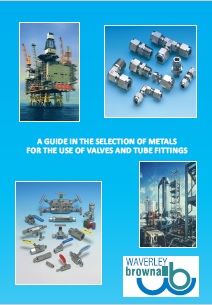
A Guide In The Selection Of Special Metals

*Posted FREE to your address

GET MY GUIDE
  • Corrosion charts
  • Applications
  • Strengths
  • Alloy properties and Composition

Corrosion Resistant Alloys In Oil And Gas Production

As an approved supplier to Conoco Phillips, BP and Shell, we fully understand the need for correct corrosion prevention material selection within Oil and Gas. Metals within an environment such as this are expected to thrive with external attacks from severe application and heavy usage over a long period of time. This is why we have specialised in manufacturing fittings and valves in special metals to not only cope in these conditions, but to provide the biggest value to engineers around the world.

nuclear power plant

Other Industries

  • Chemical
  • Processing
  • Purification/Water
  • Agriculture
  • Pump and Valve
  • Petroleum
  • Renewable Energy
  • Nuclear

Helpful Links

  • The Technical Measures Document by HSE.Gov
  • ​Corrosion Central by NACE.ORG

Contact Us

enquiries@waverleybrownall.co.uk

Filed Under: Uncategorized Tagged With: Corrosion Prevention Material Selection, corrosion protection materials, corrosion resistant alloys, corrosion resistant alloys in oil and gas production, Corrosion Resistant Materials, corrosion resistant metals, exotic alloy selection, exotic alloys, high performance alloy fittings, high performance alloys, special metals, super alloy composition, super alloys properties

July 6, 2016 By Waverley Brownall

Corrosion Resistant Alloys In The Marine Industry

Corrosion Resistant Alloys In The Marine Industry

Corrosion resistant alloys are used extensively within the marine industry.

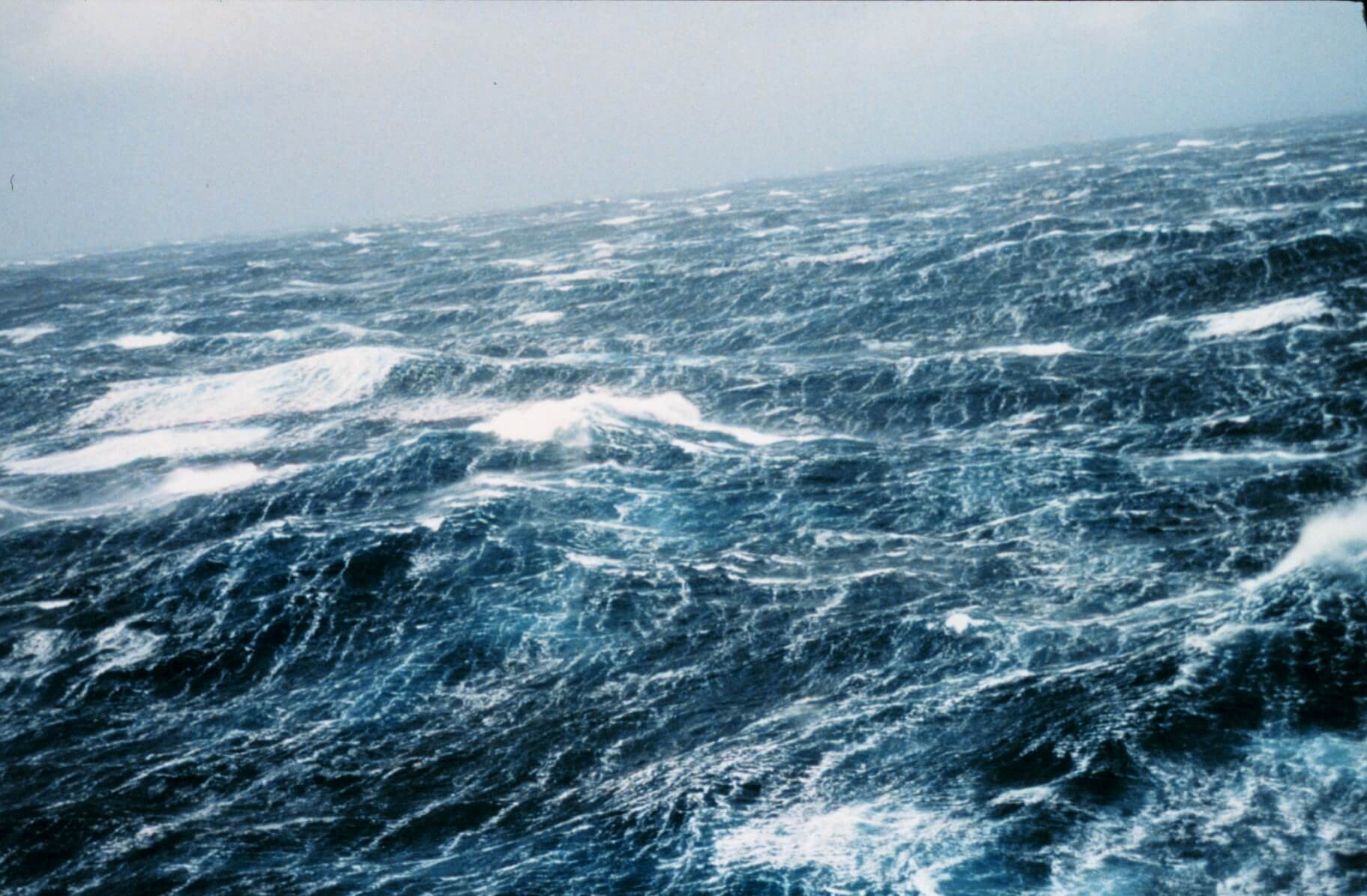
Applications where seawater is present requires tough alloys that are able to withstand corrosive surroundings.

Corrosion Resistant Alloys

Seawater can have devastating effects on metals such as iron where the surface of the metal will be attacked relentlessly. However, certain high-performance metals will give longevity and durability if they hold a number of certain properties.

Inconel and Monel are two special metals that perform highly within the marine industry. This section will cover the advantages of using these materials within fittings and valves in an aqueous environment.

Monel 400 Alloy

The nickel-based alloy MONEL 400 offers high strength and of course, corrosion resistance. It is an excellent choice for applications where seawater will be attacking the metal fitting, tube or valve.

Inconel 625 

INCONEL 625 offers high resistance against pitting and crevice corrosion. Its high tensile strength makes it the perfect alloy for items such as propeller blades. Inconel 625 ranks within Class I of alloys that are most resistant to the marine environment.

stainless steel tube fittings

625 has good corrosion fatigue strength when seawater is present. Poorer performances will be seen from alloys such as k-500 or x-750, however, this is in regard to evidence of pitting within stagnant seawater.*

* Versatile Corrosion Resistance of INCONEL alloy 625 in Various Aqueous and Chemical Processing Environments, Presented by Inco Alloys International Inc.

Titanium 

Titanium is another metal that holds corrosion resistance properties. It can resist the effects of corrosion within fresh water or steam in temperatures up to 316°C. The temperature of resistance for seawater sits at 260°C. Deposits from marine environments may form, but pitting and crevice corrosion will be completely absent from the alloy itself.

Titanium is considered to be one of the best metals for seawater elements, it is perfect for splash zones and ASTM Grade 2 is essentially immune to seawater stress corrosion cracking. *Offered as a material for fittings and valves by Waverley Brownall.

This hardy material is known for its expense, but alloys with such strong resistances are an investment for the long-term health of structures such as offshore platforms as fatigue will not be an issue with the presence of seawater.

We offer material choices such as Hastelloy C276 and Incoloy 825.

In flowing and stagnant seawater conditions, Hastelloy C276 and Inconel 625 materials give excellent corrosion resistance. Inconel 825 can be susceptible to bio-fueling.

Corrosion Prevention

sailing boat water

Corrosion resistant alloys do not need the consistent maintenance or treatments that other metals may require. Titanium or other metals that work well within the marine industry are investments that will secure health, safety and efficiency of the application in question for years to come.

It is cost-effective for companies in the long term, considering maintenance costs and installation replacements are virtually non-existent within a much longer time frame.

Some fittings manufacturers will charge for a full replacement of tube and fitting after 5 years – with alloys such as Titanium, this will be prolonged substantially.

Titanium alloys are known to be difficult-to-machine materials, which causes an even higher price-tag for fittings and valves. However – Waverley Brownall have been machining titanium alloys for over 40 years with specialist knowledge.

We are happy to take orders for titanium fittings for companies who are willing to invest in this incredible solution.

Types Of Corrosion Within A Marine Environment

seawater
  • Galvanic corrosion
  • Intergranular corrosion
  • Stress corrosion cracking
  • Crevice corrosionm
  • Erosion corrosion
  • Marine growth

Seawater environments can be divided into three main zones.

Zone 1) The first zone covers alloys that are fully immersed or continuously submerged.

Zone 2) Partially immersed such as tidal environments and splash zones .

Zone 3) Zone 3 covers corrosion that is predominantly due to the surrounding environment. As an example, this covers atmospheric and subsoil factors.

Zone 1, Submerged – The main elements that will impact the level of corrosion are temperature, oxygen levels, bio-fueling and pollution. For example, with our standard stainless steel products, pitting and crevice corrosion are the most common concerns for 316 in Zone 1.

For Zone 2 (partially submerged) for areas such as the splash zone, stainless steel has a much higher pitting corrosion rate due to oxygen exposure.

Alloy Selection For The Marine Industry

Do you require more information on the selection of special metals for a range of industries?

We are offering our readers a FREE GUIDE to assist you!

high performance alloy

A Guide In The Selection Of Special Metals

FREE GUIDE
Posted for free directly to your address
Presented by Waverley Brownall Limited

Your A5 sized handbook will be posted to the address that
you fill out and submit in the form.  

Your guide will include:

  • Corrosion by acids
  • Corrosion by alkali and salts
  • Aqueous corrosion resistance chart
  • Material composition chart
  • The benefits and properties of each metal we offer

Filed Under: Uncategorized Tagged With: corrosion prevention, corrosion resistance, corrosion resistant alloys, corrosion resistant alloys in the marine industry, corrosion resistant metals, exotic alloy selection, exotic alloys, exotic metals, marine industry, selecting exotic alloys, special alloys, special metals

  • Duoloc Imperial & Metric Charts
  • Ringlok Imperial & Metric Charts

Call us or email us on:
+44(0)1702 600014
enquiries@waverleybrownall.co.uk

Additional Links

  • Approvals
  • Catalogues
  • Case Studies
  • Quality
  • Support

Copyright © 2026 · ·Generate Pro Theme on Genesis Framework · WordPress · Log in

We use cookies to ensure that we give you the best experience on our website. If you continue to use this site we will assume that you are happy with it.